
I was watching footage of fire in the UAE. Smoke drifting past glass towers that usually advertise property investments. And I had a quick, automatic thought: These are wild times. Not a grand historical reflection. Just a small, slightly exhausted observation while holding a phone. Then my brain did what brains do now. It scrolled.
Earlier last year tensions were flaring again between India and Pakistan, two nuclear armed neighbors who have never exactly been relaxed about each other. Before that and still ongoing Russia invading Ukraine, dragging trench warfare and artillery back into European vocabulary. Of course there’s Israel and Palestine, a conflict so entrenched it feels both permanently breaking and permanently unresolved at the same time. Ongoing devastation in Myanmar, a country sliding further into violence and repression. The return of the Taliban in Afghanistan, twenty years of war ending not with resolution but with a kind of geopolitical shrug. Syria, which has been in fragments for so long that its war risks becoming background noise, which might be the most damning category of all.
I’m missing a whole lot, so yes, again: These are wild times.
But here’s the uncomfortable question: what exactly is the benchmark?
Because if we’re measuring against “calm, orderly, morally coherent global stability,” I’m not sure that’s ever been widely available. If you widen the lens properly, things do not get calmer. They get bloodier.
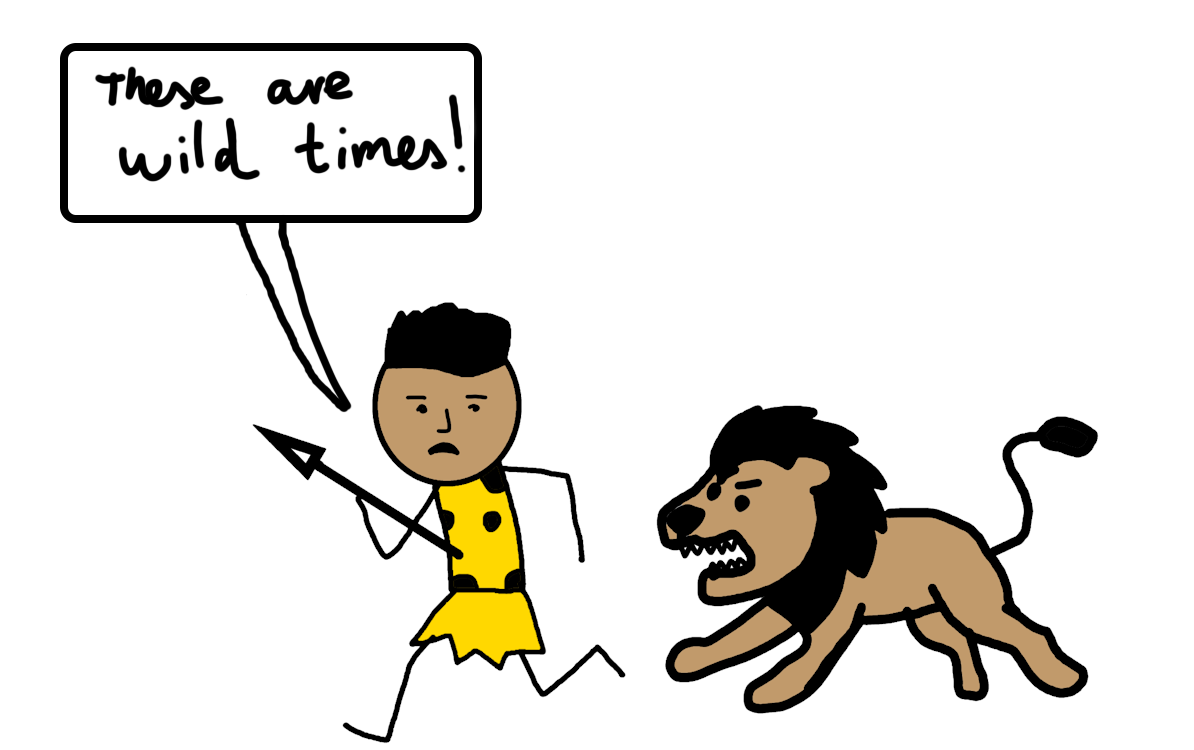
In the fourteenth century, the Black Death tore through Europe and parts of Asia and North Africa, killing tens of millions. Entire social orders shifted because there simply weren’t enough people left to maintain them. That qualifies as wild by any reasonable metric.
Move forward and Europe spends much of the seventeenth century fighting itself in conflicts which devastated large parts of Central Europe. Famine, disease, mercenary armies roaming through villages. Not exactly a tranquil age.
The eighteenth century gave us revolutions. The French Revolution did not feel like a gentle policy disagreement. It felt like the old world being dismantled in public. Heads literally rolled. Stability was not trending.
Then the twentieth century arrived and decided to compete with itself. World War I industrialized slaughter. World War II expanded it globally and ended with atomic bombs falling on Hiroshima and Nagasaki.
Even the relatively recent past resists nostalgia. The September 11 attacks reshaped geopolitics in a morning. The Global Financial Crisis made the global economy look alarmingly fragile.
None of those eras strike me as especially calm. Which brings us back to now.
Maybe what feels unprecedented is not that instability exists, but that we are aware of so much of it at once. A seventeenth century villager did not have live updates from three other continents. A Cold War family did not receive push notifications about five separate conflicts before coffee.
We do.
Maybe the real difference now is sequencing.
We do not experience one crisis at a time. We experience a feed. India and Pakistan. Ukraine. Israel and Palestine. Myanmar. Afghanistan. Syria. Drones over Gulf skylines. Scroll. Refresh. Repeat.
History used to arrive as chapters. Now it arrives as tabs.
There is another difference, though, and it is not small. For most of human history we were very good at killing each other locally. Swords, muskets, trenches. Grim, certainly, but limited by geography and technology. Now we have engineered the capacity to do it globally. Nuclear weapons sit quietly in silos. Climate systems shift in slow motion. The stakes feel planetary in a way they did not during the Black Death or the French Revolution. Those were catastrophic. They upended societies and erased cities. But they did not come with a shared, press this and it’s over button.
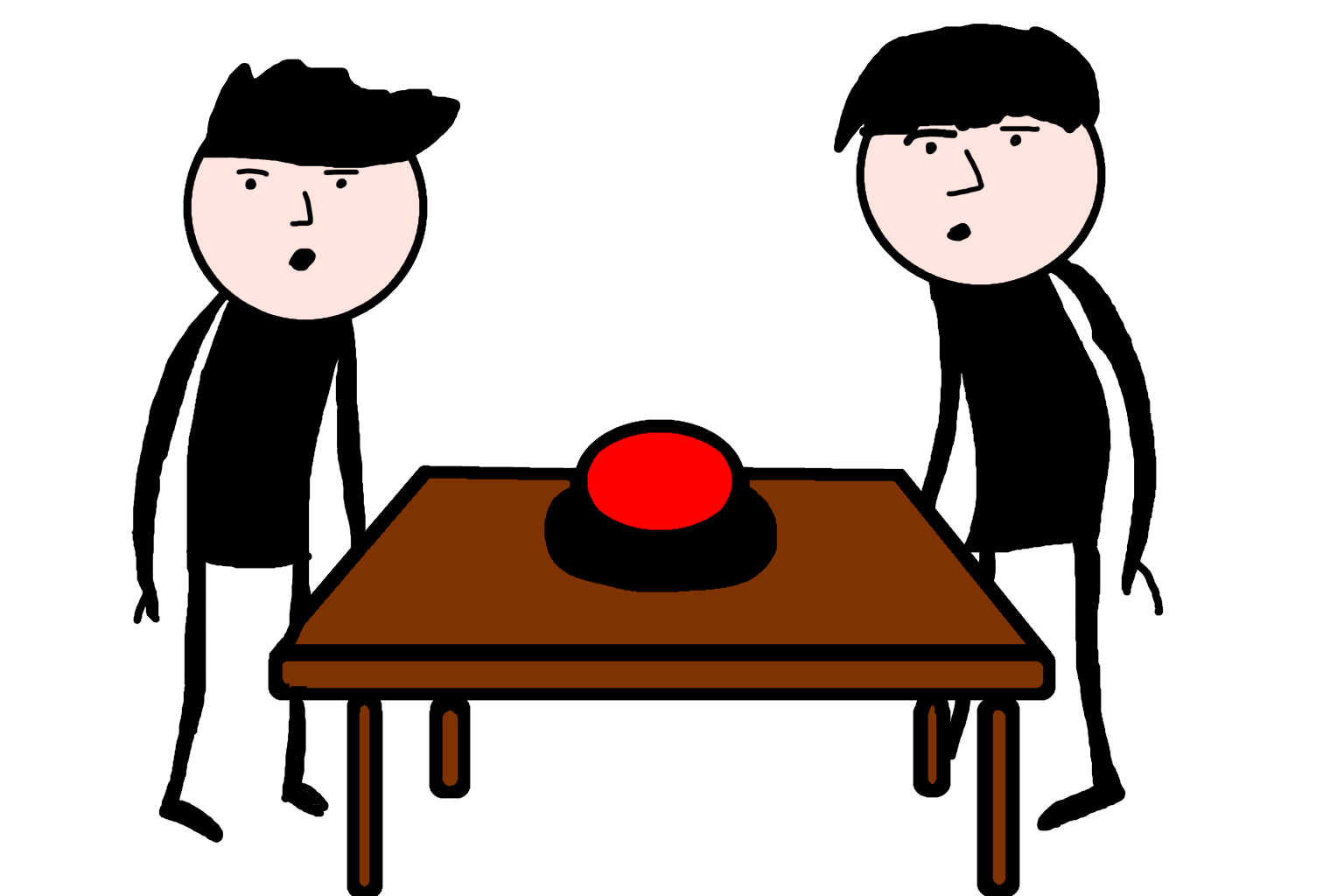
That knowledge hums in the background. Even on ordinary days.
And yet, paradoxically, we also live in a time when life expectancy is dramatically higher than in most previous centuries. When medical science can map a virus in days. When billions have access to sanitation, electricity, education, and yes, hot water at the push of a button.
The same species that once feared crop failure as an existential threat now debates who their favourite Kardashian is and whether matcha is actually pleasant or just a personality trait.
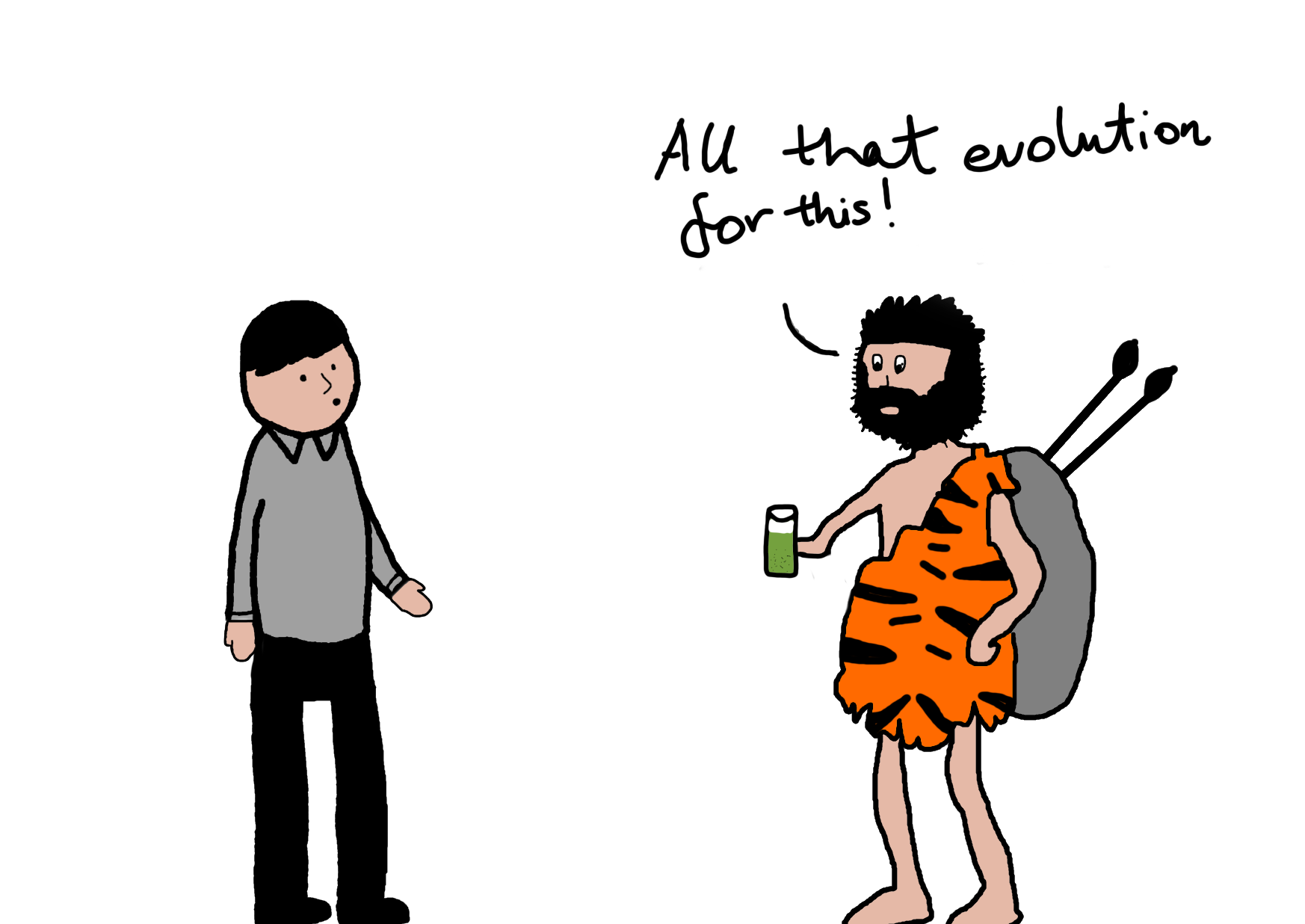
If the standard is absolute stability, history fails repeatedly. If the standard is human flourishing measured over centuries, the present looks surprisingly strong.
So perhaps “wild times” is not a diagnosis. It is just what it feels like to be alive when you can see everything at once and know exactly how fragile it all is.
Smoke drifts past glass towers. Someone, somewhere, refreshes a feed. And for a moment it feels like the world is tilting. But maybe this is what the world has always done. We just have better reception now.