
I like to think of myself as someone who reads for the right reasons. Curiosity, mostly. Pleasure, occasionally. And, if I’m being honest, sometimes just to feel a bit less stupid about the world.
And yet there have been moments when I’ve carried a book in a Daunt tote bag on the Tube when a normal backpack would have been lighter, easier, and considerably kinder to my shoulder. I genuinely wanted to read the book. I genuinely needed a bag. All of it was true. And yet the tote was still chosen.
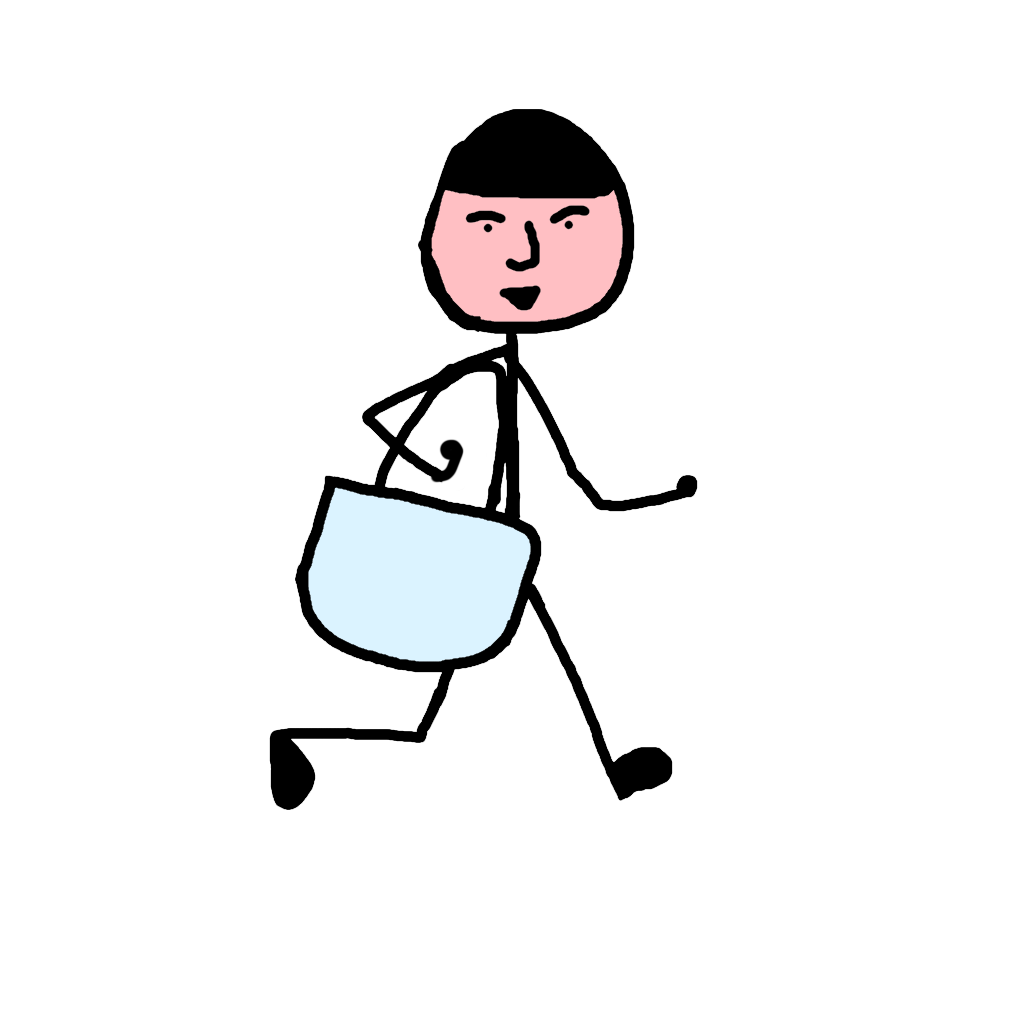
It’s a small thing, obviously. No one is harmed by a tote bag. But it’s also not nothing. It’s a tiny decision in favour of looking like the sort of person who reads, rather than just being one quietly, without any props.
And once you notice that sort of thing, you start seeing it everywhere.
Take the Patagonia vest. Perfectly sensible item of clothing. Keeps you warm without overheating you. No sleeves, which feels efficient, somehow. But at some point it stopped being just a vest and started being… a message. It says, without saying it, that you are both relaxed and competent, the sort of person who can build a financial model and still make it to a bar at a reasonable hour without looking flustered.
Or running. I used to think running was about clearing your head, or punishing yourself, or some combination of the two. Now it sometimes feels like it isn’t quite finished until it’s been uploaded somewhere. The run itself is real enough. The sweat is real. The pain is real. But there’s also this faint second layer to it, like a voice in the background saying: this will look good later.
Which, to be clear, I understand. I’ve done it.
We all want to be seen, just not entirely. We’d like to be seen for the better bits. The version of us that runs, or reads, or drinks the right kind of coffee. Not the version that hits snooze three times or spends an hour scrolling through things we don’t even enjoy.
That’s why those “starter packs” are funny, and slightly horrible. They flatten people into these neat little bundles. The tote, the matcha, the vaguely meaningful slogan about boundaries. You laugh because it’s accurate, and then feel a bit uncomfortable because it’s a little too accurate.

The psychology isn’t new. That part is ancient. Social media may have put it on steroids, but what fascinates me is how quickly capitalism industrializes the signal. The moment enough people want to be perceived a certain way, a product appears. Luxury brands understand this at a molecular level.
A logo says, “I made it.”
A subtler logo says, “I’ve made it so thoroughly I don’t need you to know.”
Even the things that are meant to reject all of this end up becoming part of it. Minimalism, for example, which I suspect was originally about owning less, now seems to involve buying very expensive versions of very plain things. Not caring what people think has, somehow, acquired its own aesthetic.
None of which is entirely ridiculous, because a lot of this isn’t really about vanity. It’s about belonging.
At school, you wanted whatever everyone else had. Not necessarily because you loved it, but because it made things easier. It meant you didn’t have to explain yourself. You were already, in a small way, understood.
And if you didn’t want to belong in that way, you found another way of signalling that too. You rejected the thing, which was still, in its own way, a kind of uniform.
Belonging is expensive because exclusion costs.
I don’t think that’s entirely shallow. It’s probably just how people work. It’s quicker to read signals than to get to know someone properly. A tote bag, or a watch, or a pair of shoes can do a surprising amount of conversational heavy lifting.
But there is a cost, even if it’s a quiet one.
Sometimes the costume starts to matter more than the person wearing it. The run becomes about the upload. The book becomes something you carry rather than something you read. The object stops being a small part of the story and starts trying to be the whole thing.
And that’s when it all feels a bit thin.
I don’t have a grand solution to this, and I’m not entirely convinced there is one. It’s very easy to say “just be yourself,” which sounds nice but isn’t particularly helpful, especially when “yourself” is partly made up of all the same influences as everyone else.
I don’t really mind if people are a bit performative. I’ve made my peace with that. I just hope there’s something underneath it. Otherwise it’s a very convincing impression of a life.
If you made it so far, thank you for reading. Appreciate the support always!
Cover image taken from Unsplash
My two bits, although I feel you are already self-aware. I feel you are almost there. Just get rid of the tote bag... and maybe a few more items. :)
was having this discussion with a friend the other day— has social media made people performative? thoughts?